Published
Quick answer
Buddhist blogs are sites that explain Buddhist stories and teachings in plain language; the reliable ones name their source text (a sutta, the Dhammapada, a Jataka tale) rather than relabeling folk tales as Buddhist wisdom.
Key takeaways
- A reliable Buddhist blog names its source text instead of just sounding wise and calm.
- Two Wolves and the farmer whose horse runs away aren't actually Buddhist stories.
- The Jataka tales (547) and the Dhammapada (423 verses) are the core material most blogs draw from.
- Reading suits daytime curiosity; listening suits a restless mind late at night.
Buddhist blogs are websites and articles that explain Buddhist stories, teachings and meditation practices in plain language, usually written for readers who want more than a quote card. The good ones name their source text; the weak ones borrow the word "Buddhist" for stories that were never part of the tradition.
If you have been looking for somewhere reliable to read, or you are simply curious where a story or verse actually comes from, this is a short guide to what separates a dependable post from a vague one, and what to do with what you find there once the evening gets late.
What makes a Buddhist blog reliable?
A reliable Buddhist blog does three things consistently: it tells you which text a story or verse comes from, it explains unfamiliar Pali or Sanskrit words the first time it uses them, and it separates its own commentary from the original teaching. A blog that does none of these is really just inspirational writing wearing a Buddhist label.
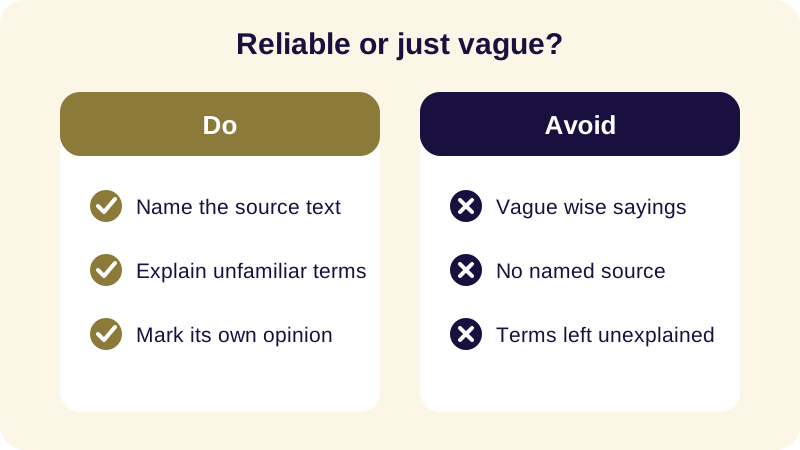
Beyond sourcing, look at how a blog handles the basics. Does it explain the Four Noble Truths the way the Buddha framed them, or reduce them to a slogan? Does it treat the Noble Eightfold Path as a set of interconnected practices, or just a list? A blog willing to sit with the detail — the Five Precepts as training rules rather than commandments, the four brahmaviharas as qualities to cultivate rather than feelings to perform — is usually worth bookmarking.
Why do Buddhist blogs lean so heavily on stories?
Most Buddhist writing teaches through narrative because the tradition itself does. Typical buddhist blog topics include the Jataka tales — 547 stories of the Buddha's previous lives — composed as teaching stories long before anyone wrote a systematic doctrine down. The Dhammapada, a collection of 423 verses, comes with a background story for almost every verse, explaining who the Buddha was speaking to and why.
See also: Why Do Buddhists Meditate Before Sleeping?.
A blog that retells these stories plainly, without padding them into something they were never meant to be, is doing something close to what a teacher does in a room: using a concrete situation — a hare, a deer, a grieving mother — to make an abstract idea land. That is also part of why story-based writing works well in the evening, when a dense explanation of dependent origination is the last thing a tired mind wants to parse.
Is it safe to trust everything a Buddhist blog calls "Buddhist"?
No, and this is worth knowing before you build a reading habit around one site. Two of the most widely shared "Buddhist" stories online — the Two Wolves tale and the Chinese farmer whose horse runs away, with its refrain of "maybe" — are not Buddhist texts at all. They are folk tales that got relabeled somewhere along the way because they echo Buddhist themes.
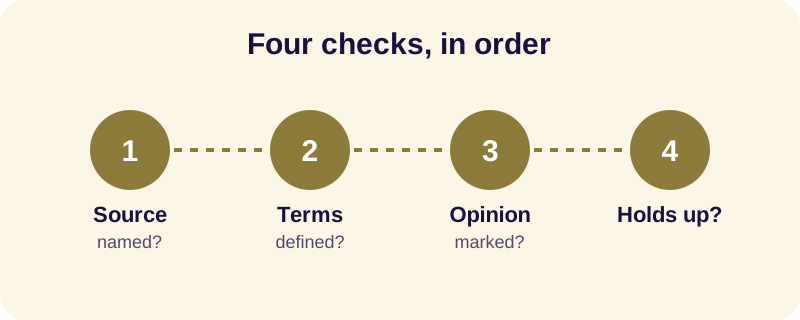
This does not make such stories worthless — they can still be useful reflections — but it matters if you are trying to actually learn the tradition rather than collect calming quotes. A blog that is careful about this distinction, even when it is inconvenient, is more trustworthy than one that never mentions it.
Is reading Buddhist blogs before bed a good idea?
Reading asks something of you: focus, a lit screen, eyes that stay open. Listening asks much less, which is often what a restless mind late at night actually needs. This is less a verdict on blogs — a well-written one is worth the attention — and more a note on timing: daytime suits curiosity, and the quieter hours suit something that does not require you to keep your eyes on a page.
This is where Buddhist stories for sleep and narrated practice differ from a blog post: the same material — Jataka tales, Dhammapada verses, episodes from the life of Siddhartha Gautama under the Bodhi tree — told slowly, in English, with nothing to read. For a restless mind specifically, see our notes on Buddhist meditation for insomnia, which covers practice rather than reading.
Buddha Story takes the same body of teaching that good Buddhist blogs write about — the Jataka tales, the Dhammapada, the Metta Sutta, the Satipatthana Sutta — and narrates it for listening in the dark, with a sleep timer, offline playback and ambient sounds alongside it. It is not a replacement for daytime reading; it is simply built for the hour when reading stops being useful.
Where should a Buddhist blog beginner start?
Start narrow. Pick one teaching — the Four Noble Truths, say, or the Middle Way between indulgence and severity — and read what a handful of sources say about just that one thing before moving to the next. Trying to absorb karma, rebirth, the precepts and the eightfold path from a single afternoon of browsing tends to leave you with a blur of terms rather than any one of them understood.
The same applies to stories. Read a few Jataka tales properly — notice the recurring structure, a bodhisattva figure facing a test of generosity or patience — before moving on to the next collection. A blog that only ever skims the surface of many stories is less useful, in the end, than a handful of stories read closely and returned to more than once.
Frequently Asked Questions
What exactly is a Buddhist blog?
A Buddhist blog is a website that publishes articles about Buddhist stories, teachings and practices — Jataka tales, Dhammapada verses, meditation instructions — usually written for general readers rather than scholars. The reliable ones cite which text or sutta a story comes from and explain unfamiliar terms as they go.
Are stories like the Two Wolves actually Buddhist?
No. The Two Wolves story and the tale of the Chinese farmer whose horse runs away are widely shared online as Buddhist wisdom, but neither comes from a Buddhist text. They echo Buddhist themes like non-attachment without being drawn from the Pali Canon or any Jataka collection.
How can I tell if a Buddhist blog is reliable?
Check whether it names its source — a specific sutta, a Jataka number, or the Dhammapada — rather than quoting a vague saying. A reliable blog also explains Pali or Sanskrit terms the first time it uses them and separates the original teaching from its own commentary.
Should I read a Buddhist blog before bed?
A short, calm article can be fine, but reading asks you to keep a screen lit and your eyes open, which works against winding down. Many people find it easier to switch to listening once it gets late, saving articles for daytime curiosity instead.
Where should a Buddhist blog beginner start?
Start with one core teaching, such as the Four Noble Truths or the Middle Way, and read a few perspectives on just that before moving on. Trying to absorb karma, rebirth and the precepts all at once usually leaves you with scattered terms rather than real understanding.
